
You're planning an active trip through Slovenia's alpine lakes, and the choice looks simple until you start arranging the days. Bled or Bohinj can both work, but they create very different holiday rhythms. One is compact, internationally established, and convenient for organised activities. The other gives you a larger lake, closer contact with Triglav National Park, and a quieter base that rewards more independent planning.
The right choice depends less on which view you prefer in a photograph and more on how you'll spend your mornings, how much transport you want to arrange, and whether your priority is easy access to guided adventures or a slower nature-focused stay.
Table of Contents
- The Real Question Behind Bled or Bohinj
- Physical Scale and Atmosphere Compared
- Activities and Adventure Access From Each Base
- Crowds, Seasonality, and Cost Considerations
- Transport, Logistics, and Getting Around
- Sample Itineraries and Activity Combinations
- Tailored Recommendations for Your Trip
The Real Question Behind Bled or Bohinj
Most visitors begin with scenery. They look at Lake Bled's island and castle, then compare them with Lake Bohinj's broader mountain setting. That's a reasonable starting point, but it doesn't answer the practical question: where will your chosen base make the rest of the trip easier?
A couple planning a short stay might want a morning activity, a relaxed lunch, a walk beside the water, and an evening without another long transfer. A family with teenagers may care more about beginner-friendly canyoning, rafting, and reliable pickup than about staying beside the quieter lake. A group of friends could prefer Bohinj if hiking, swimming, and spending long days outdoors matter more than cafés and compact sightseeing.
Bled is a mature alpine municipality covering 72 km², with 8,103 residents on 1 January 2026. Its population density was 112 inhabitants per km², compared with Slovenia's national average of 105, while its average age was 47.2 years, above the national figure of 44.6. The municipality includes 22 settlements and regained municipal independence in 1995, which helps explain why Bled functions as a settled administrative and tourism base rather than a resort around one lake. These figures are available in the official Bled municipal statistics.
Practical rule: Choose the lake that reduces friction on the days you care about most, not the one that wins a postcard comparison.
The comparison below uses four tests: atmosphere, access to activities, visitor pressure, and transport. Bled generally suits travellers who want a convenient base with guided options close at hand. Bohinj suits those who want a more spacious lake environment and are happy to organise transport and activity timing more carefully.
Neither lake is universally better. The useful answer is conditional, and it should reflect your group, your season, and how much of each day you want to spend moving between places.
Physical Scale and Atmosphere Compared
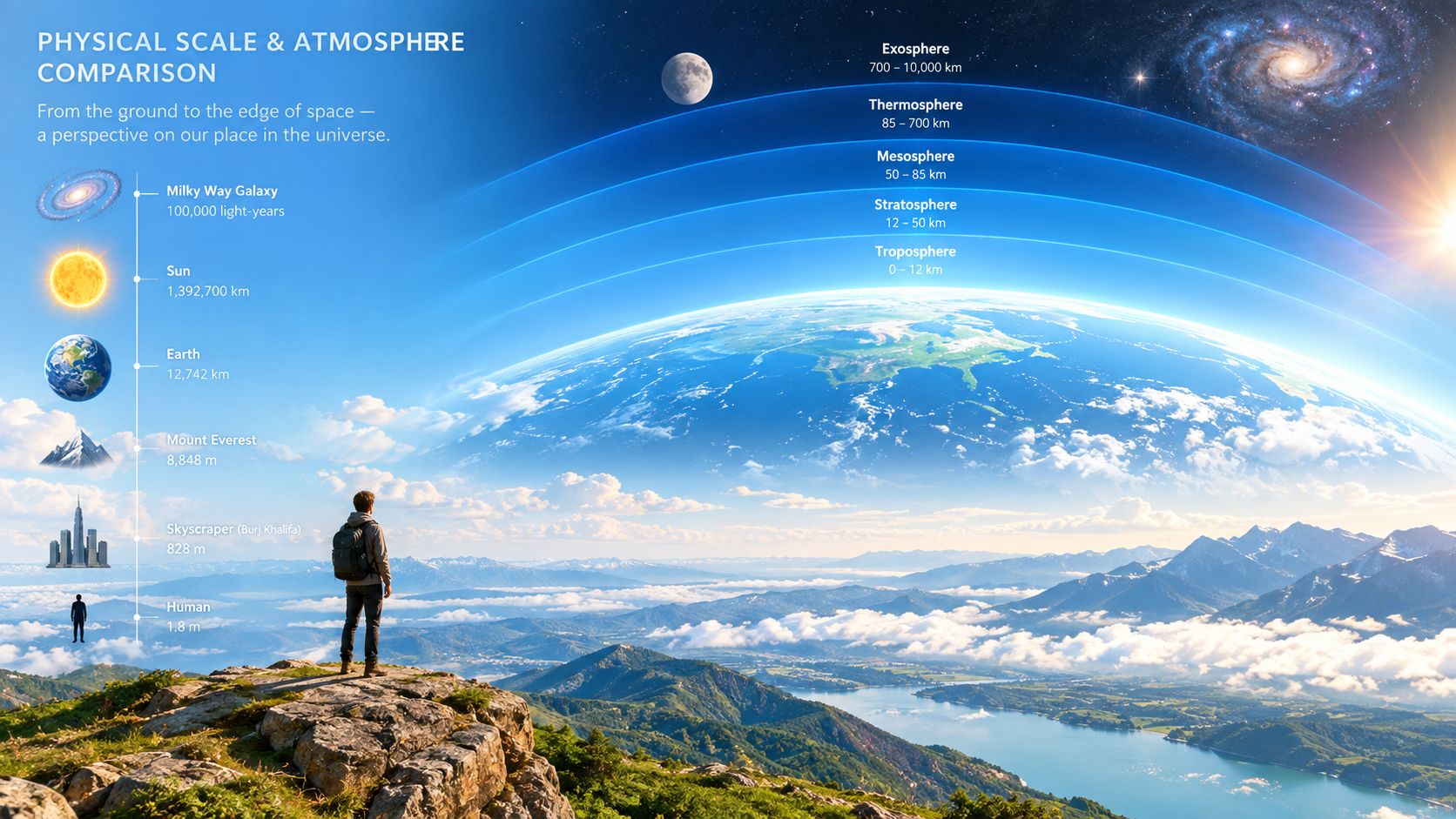
Lake Bled feels concentrated. The lake is about 2,120 metres long and 1,380 metres wide, with a maximum depth of roughly 29.5 to 30 metres. A small island sits in the middle, while Bled Castle rises above the water, so several of the area's defining sights fit into one compact visual scene. The Lake Bled overview provides these physical details.
That layout affects how a day feels. You can stay near the water, connect a lakeside walk with cafés and viewpoints, and keep sightseeing relatively compact. Bled has a curated, accessible quality. It's easy to understand on arrival, which matters when you've just reached Slovenia and don't want your first day to involve complex route planning.
A larger lake and a stronger mountain setting
Lake Bohinj is the largest permanent and natural lake in Slovenia, located inside Triglav National Park. It measures about 4.35 km in length, reaches up to 1.25 km in width, and has a maximum depth of 45 metres. It sits at roughly 525 to 526 metres above sea level, making it materially larger, deeper, and higher than Bled. The Lake Bohinj information page supports these figures.
The difference is obvious when you arrive. Bohinj has more room around it, longer sightlines, forested edges, and mountains that dominate the frame rather than a single island-and-castle composition. It feels less like a compact sightseeing circuit and more like a gateway into a wider alpine region.
For a closer practical guide to the area, see this Lake Bohinj travel resource. It's particularly useful if your interest extends beyond seeing the lake.
Bohinj's larger basin also matters for water-based plans. Its surface area is 318 hectares, or 3.18 km², and its depth reaches 45 metres, while Bled covers about 1.45 km² and reaches roughly 29.5 to 30.6 metres. The official Lake Bohinj description sets out this comparison. Bled is easier to experience in a short visit. Bohinj gives you a broader setting to explore, but you'll benefit from allowing more time and choosing your shoreline stops deliberately.
Activities and Adventure Access From Each Base
For active travellers, the key difference is not whether both lakes offer outdoor experiences. They do. The difference is how easily each base connects you with the activity you've already chosen.
Bled usually creates the smoother operating base for guided canyoning, rafting, and kayaking. The town has a dense tourism network, and OUTdoor Slovenia can provide free pickup in the Bled area for applicable activities. That removes a common source of holiday stress, especially for first-time participants who don't know the local roads or meeting points.
Canyoning is also a practical choice for beginners and families with teenagers when a professional guide leads the group. Previous experience isn't normally required, and technical equipment is provided for applicable OUTdoor Slovenia activities. Guides adjust the route and approach according to water levels, weather, participant ability, and current safety conditions, rather than treating a fixed itinerary as more important than the conditions on the day.
What each lake makes easier
Bled's advantages are operational:
- Guided activity access: A Bled base can make it simpler to join organised canyoning, rafting, or kayaking without arranging every transfer yourself.
- Mixed-ability groups: Beginners and experienced participants can often share a planned adventure while the wider group enjoys Bled's compact sightseeing options.
- Short active breaks: You can schedule a morning activity and still have time for a lakeside afternoon.
Bohinj's strengths are different. Its location inside Triglav National Park makes it a natural base for hiking, swimming, and quieter time beside a larger alpine lake. The wider setting suits travellers who want their outdoor activity to begin with the surroundings themselves, not with a transfer to a meeting point.
The trade-off is planning. Some guided activities may operate from areas closer to Bled or the Soča Valley, so a Bohinj-based traveller may need to arrange transport independently. That isn't a problem for a group with a car and a flexible schedule, but it can become inconvenient for families or visitors relying on public transport.
Bled's importance within the regional tourism system is substantial. In 2025, it generated 7.1% of all arrivals to Slovenia and 26.1% of all arrivals to the Julian Alps, according to Bled's tourism statistics. That scale brings choice and convenience, though it also contributes to the busier feel discussed later.
If your priority is a guided water adventure with minimal planning, Bled usually works better. If your priority is immediate access to alpine nature and you're comfortable organising the details, Bohinj can be the stronger base.
For canyoning-specific planning, you can review guided canyoning near Bled and check the current activity information before booking.
Crowds, Seasonality, and Cost Considerations
Bled's popularity changes the practical experience, especially in summer. Its official 2025 tourism statistics record 499,659 arrivals and 1,216,324 overnight stays, with most stays concentrated in summer and the fewest between November and March. The figures are published in Bled's official tourism statistics.
The same data shows that 95.5% of arrivals and 96.4% of overnight stays came from foreign guests in 2025. Bled is therefore highly international and heavily marketed, which brings a broad accommodation and dining offer but also creates stronger demand for popular dates and activities.
Morning and evening matter here. A lakeside walk can feel much more relaxed before the main sightseeing flow builds, while late afternoon often offers a better atmosphere than the middle of the day. If you're staying in Bled during the core summer season, booking accommodation and guided activities early is sensible, particularly if your dates are fixed.
Bohinj generally offers a less congested rhythm, especially outside the busiest summer window. That doesn't mean it's empty or free from planning pressure. It means the visitor experience is more distributed across a larger area, and the lake often feels less concentrated around one central sightseeing circuit.
Bled vs Bohinj at a Glance
| Factor | Lake Bled | Lake Bohinj |
|---|---|---|
| Overall feel | Compact, accessible, internationally busy | Larger, quieter, more nature-focused |
| Best for | Easy logistics, guided activities, short stays | Hiking, swimming, alpine scenery, slower days |
| Water setting | About 1.45 km², with an island and castle | 3.18 km², deeper and more spacious |
| Activity planning | Convenient for organised trips from the Bled area | Better for independent outdoor days, with more transport planning |
| Summer experience | Strong demand and concentrated visitor activity | More spread out, though still popular |
| Shoulder season | Good for sightseeing and organised activities, subject to availability | Attractive for quiet landscapes, with services requiring more checking |
| Accommodation approach | Wider choice, but popular dates can fill quickly | Smaller-scale feel, so advance planning still matters |
| Ideal daily rhythm | Activity, lakeside walk, dining, sightseeing | Hike, swim, explore, slow evening |
Cost shouldn't be reduced to a simple claim that one lake is always cheaper. Prices vary with dates, accommodation type, availability, and demand. In practice, Bled's larger tourism market gives you more categories to compare, while Bohinj's smaller offer can make early planning more important. Compare the total trip, including transport to activities, rather than looking only at the room rate.
Slovenia's national tourism update reported 6% growth in arrivals and overnight stays during the first eight months of 2025, driven by a strong summer season. The national tourism update gives useful context for the broader demand pattern. For travellers, the operational lesson is simple: shoulder-season dates can change the feel of either destination, but you should still verify which restaurants, transport services, and guided activities are operating.
Transport, Logistics, and Getting Around
Bled is the easier base for travellers who want straightforward connections and a compact centre. It has bus and train links with Ljubljana, and many central areas can be reached on foot or by bike. That makes it practical for visitors who arrive without a car and want to combine sightseeing with guided activities.
Bohinj is accessible by bus from Bled or Ljubljana, but services can be less frequent. The lake's larger footprint also changes the calculation. Reaching a particular shoreline, trailhead, village, or activity start point may require a car, bicycle, local shuttle, or careful coordination with bus times.
The elevation difference is modest but real. Bled sits at roughly 475 metres, while Bohinj is around 525 to 526 metres, so Bohinj is approximately 50 metres higher. This difference contributes to variations in microclimate, water conditions, and the feel of the surrounding area, as described by Slovenia's official Bohinj information.
A practical transport decision
Use Bled as your base when:
- You're not hiring a car. The compact centre and stronger connections reduce the number of transfers you need to manage.
- You've booked a guided activity. Free pickup in the Bled area from OUTdoor Slovenia, where applicable, can remove the need to reach a separate meeting point.
- You're combining both lakes. Bled offers a convenient arrival point and works well for day trips when your schedule is tight.
Use Bohinj as your base when you're comfortable accepting a slower transport network in exchange for staying closer to the national park. A car or bicycle gives you more flexibility, but you should still check seasonal access rules and local parking arrangements before setting out.
For a public transport comparison, consult this Bled to Bohinj bus guide. If you're travelling with a pet from the United States, an international pet health certificate from the US to Slovenia can help you understand the documentation to prepare before building a lake-to-lake itinerary.
Visiting both is realistic, and many travellers prefer that approach. You can stay in Bled and visit Bohinj for a full day, or split your accommodation if you want two distinct experiences. Splitting bases reduces repeated travel, but moving luggage costs time and makes short trips feel more fragmented. For a brief stay, one base is usually more efficient. For a longer active holiday, dividing the trip can make sense if both lake environments are central to your plans.
Sample Itineraries and Activity Combinations
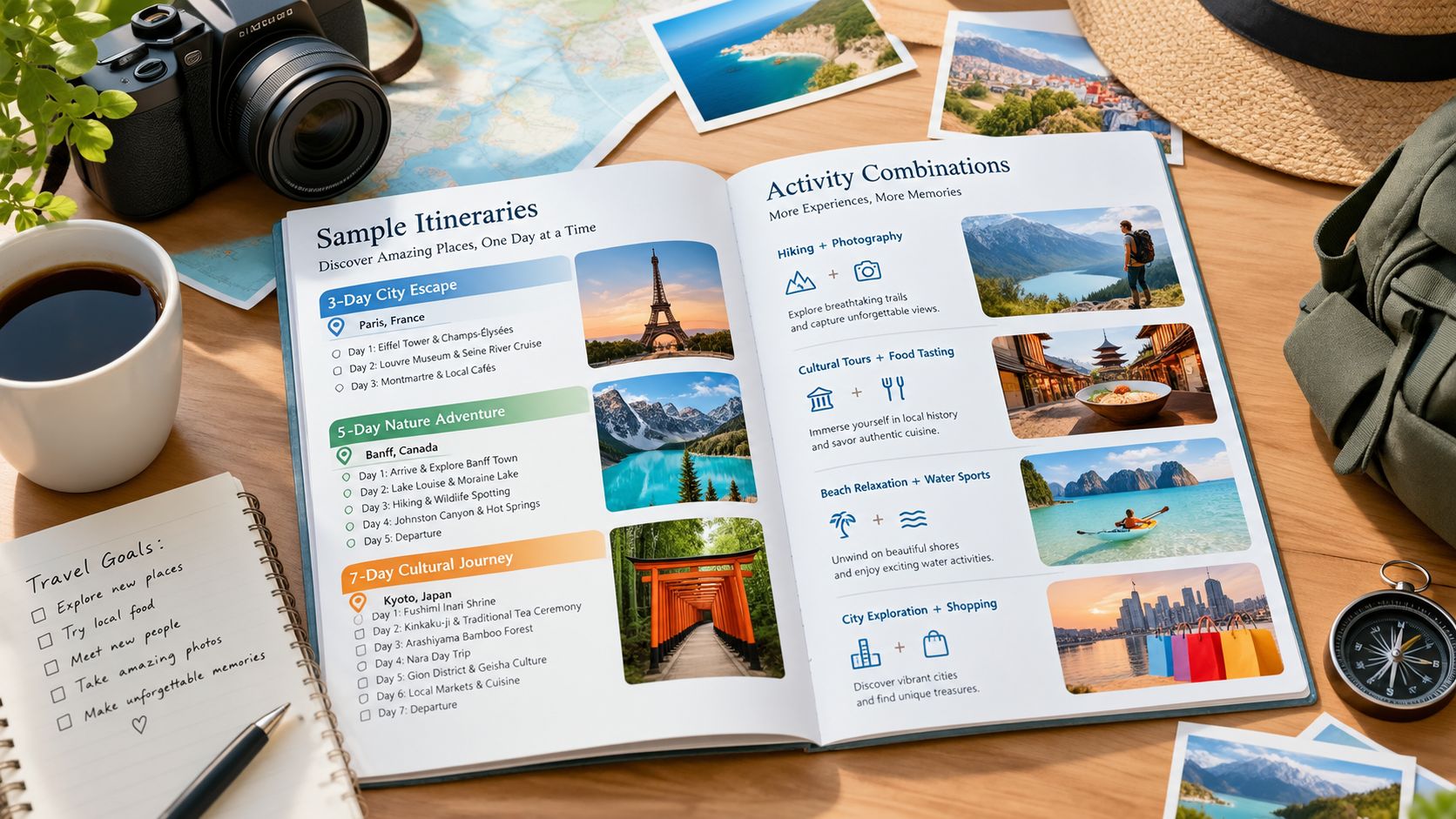
A good itinerary gives each lake a job. Bled works well for days where a guided activity, sightseeing, and simple logistics need to fit together. Bohinj works well for days where the scenery is the main event and you're happy to stay outside for longer.
For a couple or group of friends based in Bled, a practical day might begin with guided canyoning, followed by lunch and a walk around the lake. The afternoon can remain flexible, with time for the island, the castle area, or recovering beside the water. This combination avoids spending the whole day in transit and leaves room for weather-related changes.
Three useful trip patterns
The active Bled day: Schedule canyoning in the morning, keep the afternoon close to the lake, and use the evening for an unhurried meal. This suits first-time participants because the guided activity provides instruction, equipment, and safety decisions without requiring you to manage technical terrain alone.
The combined adventure day: OUTdoor Slovenia Activities offers a combination of canyoning and rafting on the Sava Dolinka, subject to current availability and conditions. This suits friends or active families who want two different water experiences in one organised day, but it's wise to leave the following morning less ambitious.
The Bohinj nature day: Start early, spend the main part of the day hiking or exploring the lake area, then keep the evening local and quiet. Bohinj rewards this approach because the setting is less about checking off several central sights and more about giving the surroundings enough time.
For teenagers, the best plan usually mixes structure and free time. A guided canyoning or rafting experience gives the day a clear highlight, while an afternoon at the lake prevents the schedule from becoming exhausting. Pack snacks that travel well for activity days, and use this guide to choose practical travel snacks that won't require complicated preparation.
A three-day Bled stay can also include one full day trip to Bohinj, with the remaining time reserved for a guided adventure and slower exploration around Bled. This three-day Lake Bled itinerary is a useful starting point, but adjust it around weather, booking times, and your group's energy rather than following it rigidly.
Tailored Recommendations for Your Trip
Choose Bled if your trip is short, you're arriving without a car, or your main priority is combining guided activities with easy sightseeing. It's especially practical for first-time canyoning and rafting participants, families with teenagers, and groups that don't want to coordinate several separate transfers. The town's international tourism infrastructure makes it easier to build a varied day, though summer demand means you should plan popular activities and accommodation ahead.
Choose Bohinj if you want the lake and surrounding mountains to dominate the holiday. It's the better fit for travellers who value quieter evenings, hiking, swimming, and direct immersion in Triglav National Park. You'll get more from it if you're comfortable checking transport, allowing extra time for journeys, and accepting that some guided activities may require independent travel to their operating base.
Couples often enjoy splitting the logic between the two. Stay in Bled when you want efficient activity days and easy arrival logistics, then spend a day in Bohinj for a wider view and slower pace. Families may prefer to keep one base, because changing accommodation adds effort that can outweigh the benefit on a short trip.
The most reliable choice is not “the prettier lake”. It's the lake that matches your preferred amount of planning.
Bled is the practical recommendation for a first active visit when guided canyoning, rafting, or kayaking is central to the plan. Bohinj is the more natural recommendation when independent outdoor time matters more than convenience. Check current activity details, transport, and operating conditions before committing, because weather and water levels can change the best plan from one day to the next.
Outdoor Slovenia Activities offers guided canyoning, rafting on the Sava Dolinka, sit-on-top kayaking, and activity combinations around Bled, with professional guidance and technical equipment provided for the relevant trips. If you want to make your Bled or Bohinj decision around a specific adventure, visit Outdoor Slovenia Activities to review the current options and availability.