
You've booked the flights, packed the swimwear, and started picturing turquoise water, alpine valleys, and that first moment outside in the fresh mountain air. Then a practical question appears. How do you get from the airport to the river, from the river to the changing area, and from one activity base to the next without wasting half the day on confusion?
That question is where transportation logistics stops being a dry business term and starts becoming part of your holiday. In adventure travel, the best logistics are almost invisible. You don't spend energy decoding bus timetables, wondering if the driver knows the road, or asking whether the helmets made it into the van. You get picked up, briefed properly, and moved through the day in a way that feels calm, safe, and organised.
In Slovenia, that matters more than many visitors expect. A great adventure day often involves mountain roads, river access points, changing areas, weather checks, wet gear, and group timing. When those moving parts are handled well, the day feels easy. When they aren't, even a beautiful destination can feel tiring before the fun begins.
Table of Contents
- From Airport to Adventure The Magic of Seamless Logistics
- What Is Adventure Transportation Logistics
- Mastering Guest Transfers for a Perfect Start
- Moving Your Group and Gear Safely
- Smart Route Planning for More Adventure Time
- Our Commitment to Safety and Legal Standards
- Logistics in Action Around Lake Bled and Triglav
From Airport to Adventure The Magic of Seamless Logistics
A smooth trip usually starts before the first paddle touches the water. You land, collect your bag, walk through arrivals, and instead of trying to compare shuttle options, you move straight into the day's rhythm. That first transfer shapes everything that follows.
Good transportation logistics removes friction early. The pickup point is clear. The vehicle is right for the group. The driver knows whether the priority is a direct transfer, a hotel stop, or getting everyone to a briefing on time. Guests feel this immediately, even if they never use the phrase “transportation logistics” themselves.
Why Slovenia makes this easier
Slovenia works well for organised travel because movement across the country is already part of its economic DNA. The freight road transport industry operates under the national industry code SI-H4923 and includes 11,835 businesses as of 2025, with business numbers growing at a 5.4% CAGR between 2020 and 2025 and overall market size growing at a 0.9% CAGR over the same period, according to IBISWorld's profile of Slovenia's freight road transport industry. For visitors, that translates into something practical. Roads, routes, and transport know-how are taken seriously.
That same professionalism carries naturally into tourism transport. A guide meeting you at the airport or hotel isn't improvising. The best operators run pickups the same way strong logistics teams run handovers. They confirm details, match vehicle to route, and keep the day moving without drama.
The guest rarely remembers every kilometre of the transfer. They always remember whether the start of the day felt easy.
The invisible part guests appreciate most
What works is straightforward. Clear communication the night before. A realistic meeting time. Enough room for luggage and day gear. A driver who knows where to stop, where to turn around, and how to avoid creating stress at the very start of the holiday.
What doesn't work is equally clear. Vague pickup windows, cramped vehicles, and plans that depend on “we'll figure it out when we get there”.
For travellers flying in or out, reliable airport transfers in Slovenia make the whole adventure feel connected rather than pieced together. This is the value of well-managed logistics. It turns arrival into part of the experience instead of a hurdle standing in front of it.
What Is Adventure Transportation Logistics
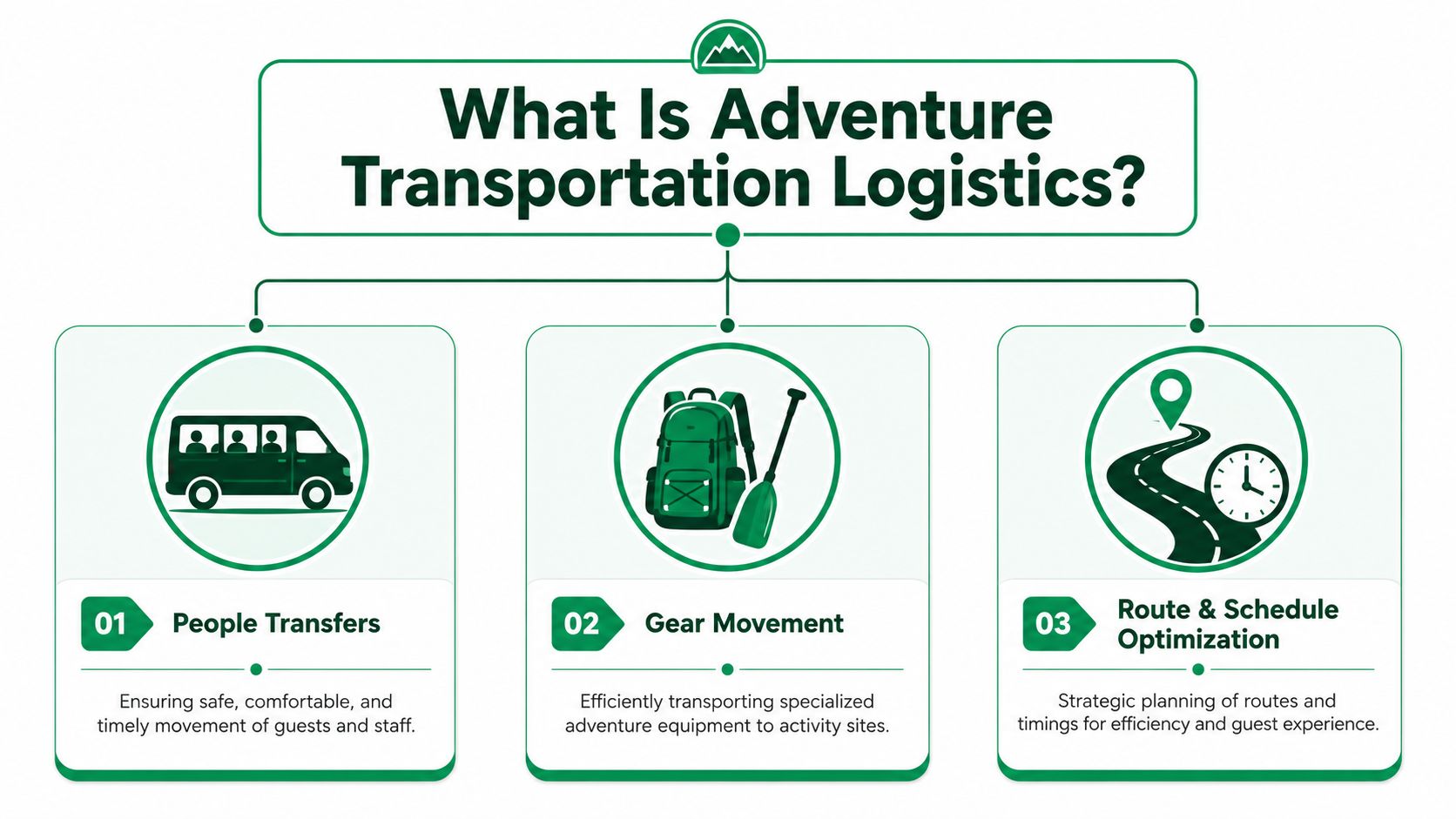
Adventure transportation logistics is the practical work of moving people, equipment, and time into alignment. It's not only about driving from one place to another. It's about making sure the right guests, the right guides, and the right gear reach the right location in the right condition.
That sounds simple until you add real-world conditions. A rafting trip may begin at one river access point and end somewhere else. A canyoning day may require separate gear sets, dry storage, and a careful return schedule. Even a short family outing needs changing space, safety checks, and an orderly flow so nobody feels rushed.
The three parts that matter most
Consider the backstage crew at a theatre. The audience sees the performance. The crew handles timing, costume changes, cues, and movement behind the curtain. Adventure transport works the same way.
- People transfers involve pickup planning, seating, comfort, route suitability, and group coordination. Families, couples, and larger groups all move differently.
- Gear movement covers rafts, kayaks, paddles, wetsuits, helmets, life jackets, dry bags, repair kits, and spare items. Bulky gear needs proper loading, not guesswork.
- Route and schedule optimisation joins the first two together. A good plan accounts for travel time, changing time, briefing time, and the fact that river trips often don't finish where they start.
A useful outside reference on the broader discipline is this guide to transport operations. It focuses on operational management more generally, but the core idea applies well to outdoor travel. Smooth experiences come from coordination, not luck.
Why the backstage work changes your day
Slovenia offers a strong example of what optimised movement looks like at national level. The Port of Koper is considered a benchmark for logistical efficiency, cutting transit time by 5–7 days for cargo from Asia, as outlined in the Slovenia logistics overview featuring the Port of Koper. In adventure travel, the principle is the same even though the scale is smaller. Better routing means less waiting and more actual time outdoors.
Practical rule: The best transport plan is the one guests barely notice because everything is where it should be when they need it.
When operators get this right, the day feels relaxed. Guests arrive on time, gear is ready, guides aren't distracted by missing items, and the return trip doesn't turn into a scramble. That's what adventure transportation logistics really is. It's the structure that lets the fun stay in the foreground.
Mastering Guest Transfers for a Perfect Start
The first real impression of an adventure day often happens inside the vehicle. Before guests judge the river, the canyon, or the guide's briefing, they judge the pickup. Was it clear? Was it on time? Did it feel calm?
That's why guest transfers deserve their own process rather than being treated as a side task. A professional transfer starts with information. Guests should know the meeting point, the approximate pickup time, what to bring, and what not to worry about. That message matters because uncertainty spreads fast in travel groups. One unclear detail can create a chain of avoidable stress.
What a good transfer process looks like
A reliable transfer usually follows a simple sequence.
- Clear confirmation. Guests receive straightforward pickup details and practical prep notes.
- Realistic timing. The vehicle arrives within a dependable window, not at a vague “morning” slot.
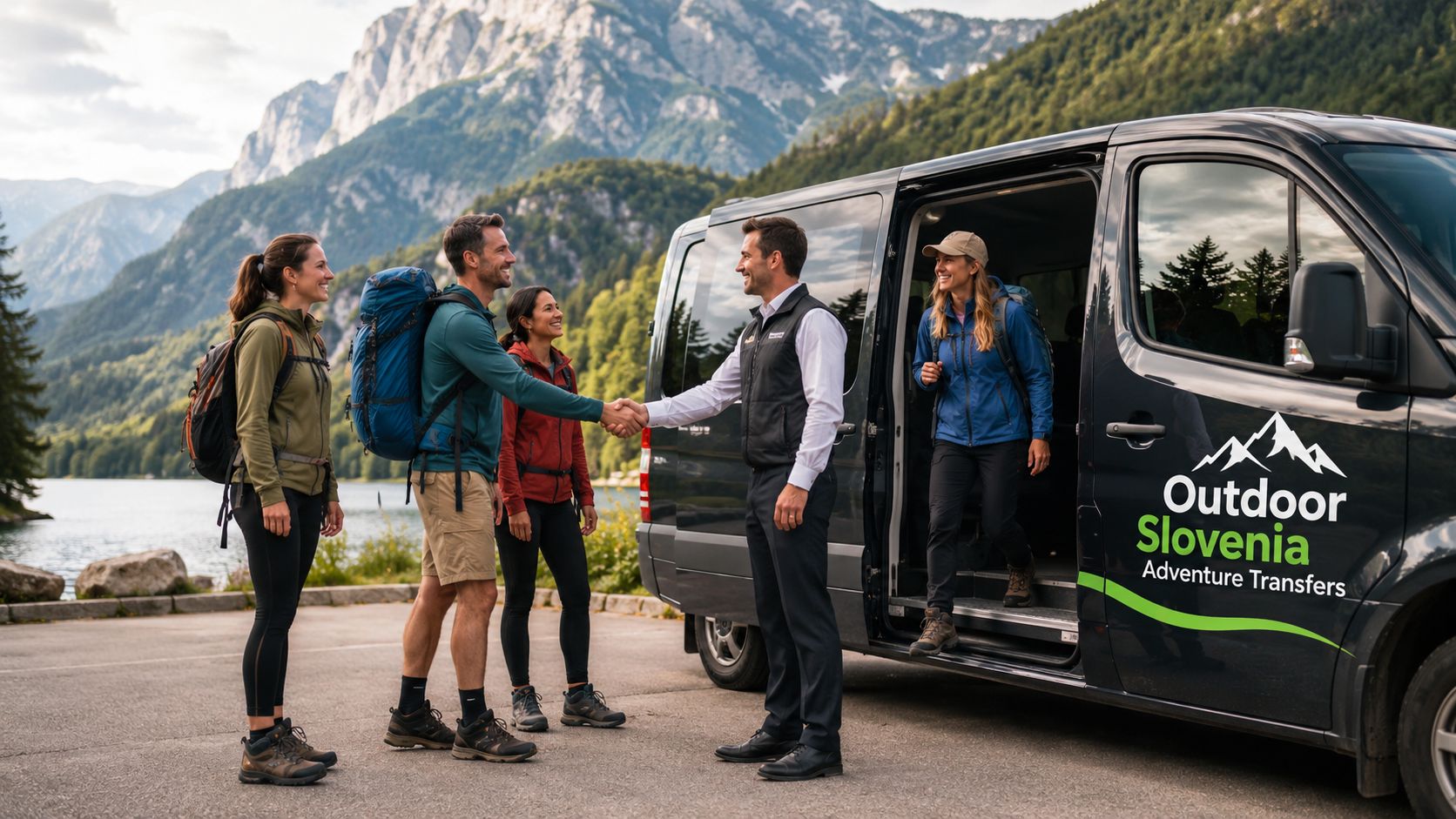
- Warm greeting. The driver or guide confirms names, checks the group, and sets the tone.
- Easy onboarding. Bags go in quickly, questions get answered, and nobody feels they're delaying the group.
- Steady arrival. Guests reach the base or river entry point with enough time to change and listen properly.
This isn't glamorous work, but it changes the whole day. A rushed or confused arrival often leads to missed briefing details, unnecessary nerves, and a feeling that the schedule is in control of the guest rather than the other way around.
Comfort is part of the service
Comfort in transport isn't luxury for its own sake. It's functional. Guests may be heading into cold water, mountain weather, or a physically active outing. Starting that day cramped, overheated, or flustered doesn't help anyone.
A well-run operator matches vehicle size to group size, keeps loading tidy, and preserves a bit of breathing room. That also gives space for useful conversation. Guests often ask the most practical questions during transfer time, not during booking. Is the water cold? How wet will we get? Can beginners handle this? Is there somewhere to leave valuables?
A quiet, punctual transfer does more confidence-building than a long sales speech ever could.
For teams interested in the wider hospitality side of communication, this article on how to enhance guest experience with automation is useful because it shows how clear pre-arrival messaging reduces friction before a guest ever steps into a vehicle. The same principle works in outdoor travel. The smoother the communication, the smoother the pickup.
What doesn't work is overcomplicating the process. Too many messages, changing pickup arrangements at the last minute, or treating transport like an afterthought usually creates the very confusion guests hoped to avoid by booking a guided experience.
Moving Your Group and Gear Safely
Moving people is only half the job. Outdoor trips also require moving awkward, wet, heavy, and safety-critical equipment. That changes everything about transportation logistics.
A rafting van isn't just a passenger vehicle with extra storage. It has to support a system. Rafts may travel on trailers. Kayaks need secure mounting. Paddles have to be bundled so loading stays fast and nothing gets left behind. Wetsuits and boots need to be organised by size, not thrown into a pile that turns changing time into chaos.
Gear transport isn't an afterthought
The easiest way to spot an amateur setup is in the loading area. Loose straps, mixed equipment, and last-minute searching waste time and create risk. The professional version looks calmer because it follows repeatable routines.
A solid gear transport system usually includes:
- Dedicated load zones so guest bags don't get mixed with technical equipment
- Pre-sorted safety gear by size and activity type
- Secure attachment points for rafts, kayaks, and paddles
- A final check before departure so no essential item is missing at the river
On Slovenian whitewater rafting trips, including the Sava Dolinka, helmets and life jackets are mandatory, as stated by Sava rafting guidance for trips on Slovenian rivers. That makes gear logistics part of safety compliance, not just convenience. If an operator treats equipment transport casually, guests should take that as a warning sign.
What works and what doesn't
What works is standardisation. The same kit goes in the same place every time. Drivers and guides know the loading order. Wet gear and dry gear stay separate where possible. Spare items travel with the main set, not in another vehicle that may or may not arrive when needed.
What doesn't work is relying on memory alone. “I think the extra life jackets are in the other van” is not a professional sentence.
A lot of the same thinking applies to mountain travel by road. Anyone planning self-drive excursions can see how route, access, and vehicle handling matter on pages like this guide to Velika Planina by car. The context is different, but the lesson is the same. Terrain shapes transport decisions.
| Transport task | Strong practice | Weak practice |
|---|---|---|
| Loading rafts | Fixed trailer routine | Last-minute tying down |
| Safety gear prep | Sized and checked in advance | Handed out in a rush |
| Passenger space | Kept clear and usable | Crowded by loose gear |
| End-of-trip return | Wet kit handled systematically | Mixed into guest area |
When gear movement is done properly, guests don't have to think about it. That's the point. They can focus on the briefing, the scenery, and the water.
Smart Route Planning for More Adventure Time
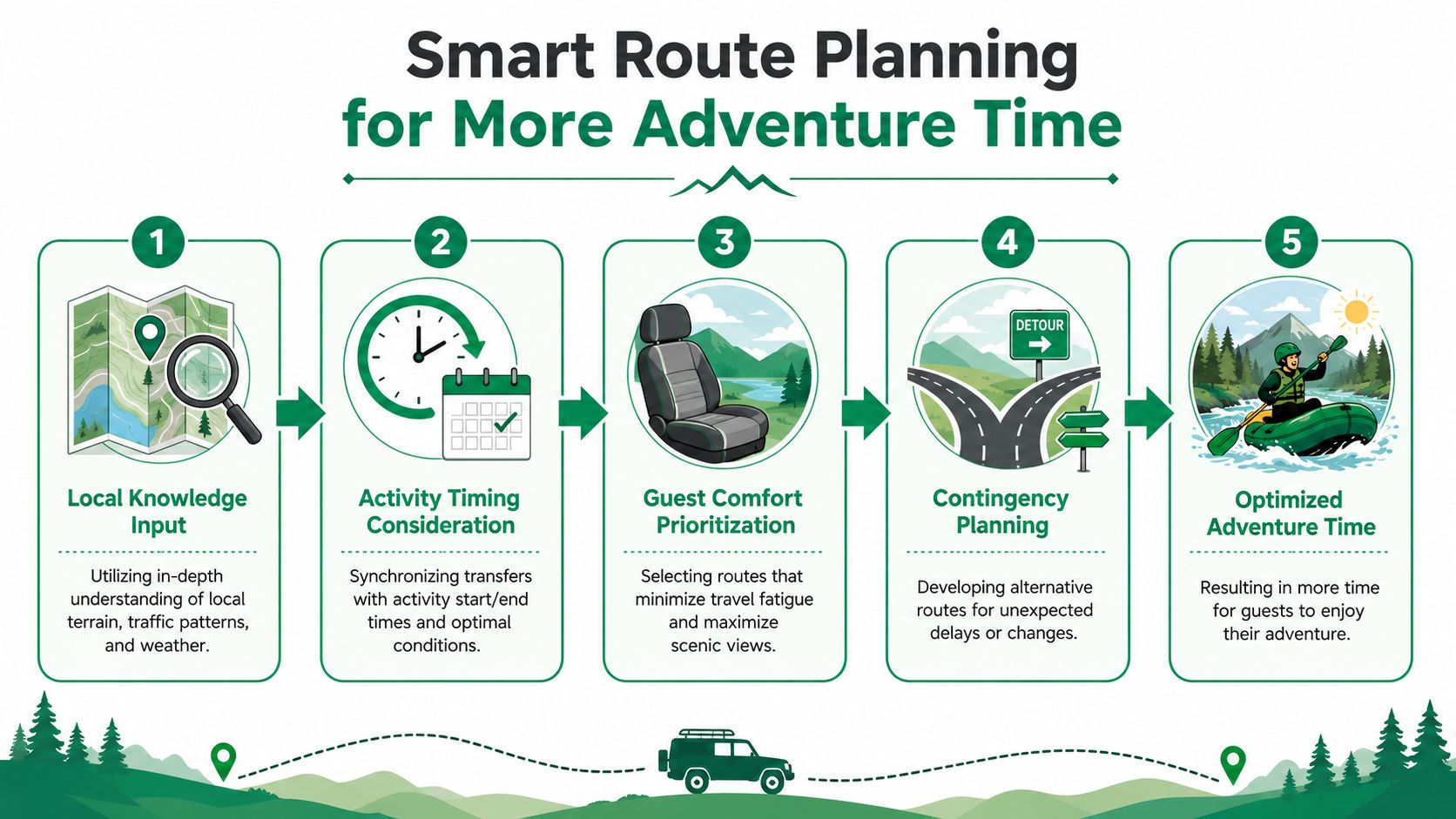
The shortest line on a navigation app isn't always the best route for an adventure day. Local roads, summer traffic, parking limitations, weather changes, and the condition of mountain access points all matter. Good transportation logistics uses route planning to protect the guest experience, not just reduce distance.
A well-planned route balances four things at once. It gets the group there on time, avoids unnecessary fatigue, fits the day's activity window, and leaves room for the unexpected. A poor plan may still get people from A to B, but it often steals energy from the activity itself.
The route on a map isn't the whole story
Drivers who know Slovenia well don't think only in terms of kilometres. They think in terms of road character. Some roads are efficient but tiring for passengers. Some are scenic but slower. Some work perfectly early in the day and become awkward later when tourist traffic builds.
A strong route plan considers:
- Road type. Mountain roads demand a different pace from motorway driving.
- Group profile. Families with children often need a steadier rhythm than a sporty friend group.
- Activity energy. A demanding canyoning or rafting outing pairs better with a smoother transfer.
- Access logic. River sports often involve separate start and finish points, so shuttle positioning matters.
For travellers comparing public routes between major destinations, a practical reference like the Ljubljana to Bled bus timetable guide shows why scheduled transport can be useful for basic transfers, but guided adventure days usually need more flexible planning than public timetables allow.
How timing protects the experience
The best schedules include buffer time. Not huge gaps that waste the day, just enough flexibility to absorb small delays without turning them into problems. A late hotel departure, a slower gear change, or a temporary hold-up on a local road shouldn't derail the whole outing.
Good route planning doesn't try to make the day look fast. It makes the day feel unhurried.
This is also where local judgement beats generic software. A map app can suggest the shortest path. It can't fully judge whether that road suits a van with wet gear, a family with children, or guests who are seeing Alpine roads for the first time.
For readers interested in the fleet side of routing and efficiency, this piece on optimizing electric fleet operations is helpful because it highlights how route choice, charging or refuelling logic, and vehicle planning all affect service quality. The same mindset carries into adventure transport. Efficiency only matters if guests still arrive comfortable and ready to enjoy the day.
Our Commitment to Safety and Legal Standards
Adventure should feel exciting. Transport should feel dependable. That difference matters.
When guests step into a vehicle for an outdoor activity, they're placing trust in more than the driver's sense of direction. They're trusting the operator's judgement on maintenance, licensing, road safety, insurance, and emergency readiness. Those things are less visible than a raft or a wetsuit, but they're more important.
The standards guests should expect
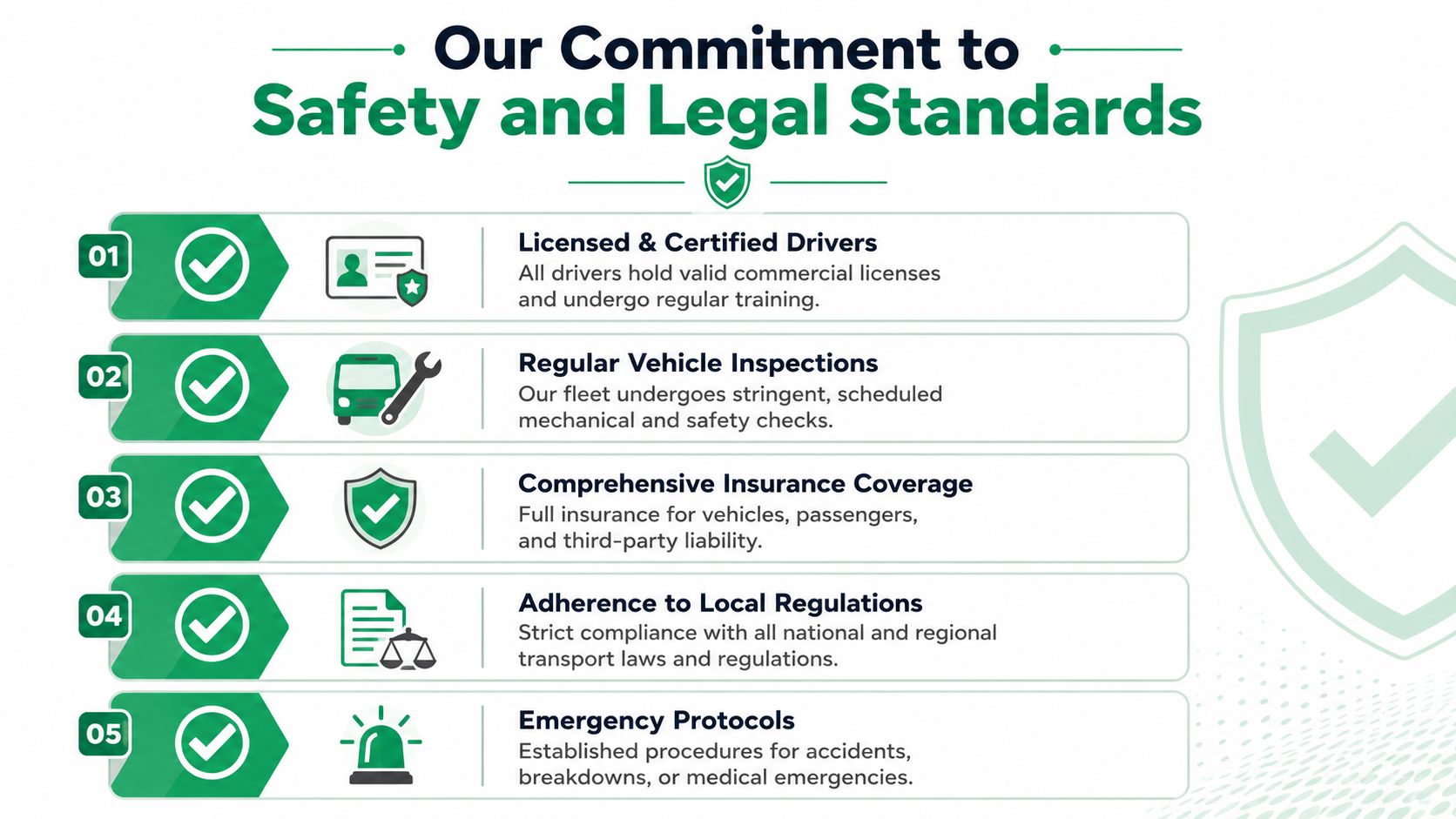
Professional transport for adventure travel should always include a few key elements.
- Licensed and suitable drivers who are legally authorised for the vehicle they're operating
- Regular vehicle inspections with attention to tyres, brakes, lights, restraints, and trailer condition where relevant
- Insurance cover that fits passenger transport and commercial activity
- Compliance with local rules on passenger carriage, loading, parking, and road use
- Emergency procedures for breakdowns, delays, or incidents
These aren't box-ticking exercises. Each one removes a category of risk that guests shouldn't have to manage themselves.
Why compliance creates peace of mind
Some operators talk about safety only at the activity site. That's incomplete. Safety starts at pickup. A tired driver, an overloaded van, or poorly secured equipment can undermine the day before the group ever reaches the river.
The strongest operators build safety into routine behaviour. Drivers don't improvise loading methods. Guides don't skip checks because the group seems easy. Vehicles don't get treated as generic transport between “real” parts of the day. The road section is part of the experience and part of the duty of care.
If a transport plan depends on everything going perfectly, it isn't a safe plan.
Guests don't need a lecture on regulations. They need evidence of calm professionalism. Clean vehicles, orderly loading, clear instructions, sensible driving, and composed responses to small changes do more to build trust than dramatic claims ever will.
Legal standards may sound dry, but in practice they're reassuring. They mean the day rests on systems rather than mood, shortcuts, or luck. That's exactly what you want before any active outing in the mountains or on the water.
Logistics in Action Around Lake Bled and Triglav
The easiest way to understand transportation logistics is to watch what changes between a simple outing and a more layered one. Around Lake Bled and deeper into Triglav National Park, the same core principles apply, but the level of coordination rises quickly.
A simple family rafting day near Bled
A half-day rafting trip near Bled is a good example of logistics done quietly. The group gets picked up from a hotel or agreed meeting point. The transfer is short, the briefing stays relaxed, and changing into gear doesn't feel rushed because the schedule has enough breathing space built into it.
The river choice matters here. The Sava Dolinka near Radovljica is classified as Class II–II+, which makes it suitable for families and beginners with no prior experience required, according to CheckYeti's description of rafting on the Sava Dolinka. That classification shapes transport decisions. With a beginner-friendly river, the priority is usually smooth onboarding, easy communication, and keeping the day light and enjoyable rather than pushing pace.
The strongest family trips feel simple because they are simple operationally. The guide already knows who needs extra reassurance, who may need help with sizing, and how to keep the handoff from van to riverbank flowing without confusion.
A more complex day inside Triglav National Park
A full-day combination trip is different. Once you pair activities such as canyoning and rafting, logistics becomes a chain of dependencies. One delay can affect changing time, activity timing, meal breaks, and the return transfer if the plan isn't resilient.
The terrain adds another layer. Triglav National Park rewards visitors with dramatic scenery, but remote access means operators have to think carefully about vehicle placement, timing between locations, and how to move guests without making the day feel like a shuttle service. The trick is sequencing the day so transport supports the adventure instead of interrupting it.
River difficulty also changes planning. Near Bovec, the Soča River is widely known as Slovenia's most popular rafting destination within Triglav National Park, with Class II–IV rapids, as described in this GetYourGuide overview of rafting in Slovenia. A river with that wider difficulty range calls for tighter timing, sharper guide coordination, and a more deliberate approach to group management than an easy family float.
What works in these bigger days is rhythm. Guests shouldn't feel pushed from one checkpoint to the next. They should feel looked after. That takes planning before the van door ever opens.
If you'd like all of that planning handled for you, explore Outdoor Slovenia Activities for guided adventures with organised transfers, professional equipment, and stress-free days built around Slovenia's rivers, mountains, and outdoor highlights.