
You're probably here because you've seen Triglav from Lake Bled, from a roadside lookout, or in a photo that made Slovenia look almost unreal. Then the thought arrived very quickly. Could I climb that?
That question is how many first ascents begin. Vzpon na Triglav carries a special weight because it isn't just a mountain objective. It feels personal. For many visitors, it becomes the trip-defining day they talk about long after they've gone home.
The good news is that a first climb can be realistic. The important part is choosing the right version of the experience. Some people need a gentler two-day plan. Some want a sunrise start. Some are strong walkers but have never touched a protected ridge. What works on Triglav isn't bravado. It's honest preparation, a route that matches your level, and enough structure that you can enjoy the mountain instead of fighting it.
Table of Contents
- The Call of Slovenia's Highest Peak
- Choosing Your Path to the Summit
- Crafting Your Triglav Itinerary
- Your Essential Triglav Gear Checklist
- Staying Safe on the Mountain
- Climb Triglav with a Professional Guide
The Call of Slovenia's Highest Peak
Triglav has a way of getting into your head before you ever stand on its slopes. You might see its shape from Bled on a clear morning and feel that little pull that says, I want to go there. That reaction is common. In Slovenia, Triglav isn't just another summit on a list.
Mount Triglav stands at 2,863.65 metres (9,395.2 feet), was first conquered in 1778, and more than 80,000 people attempt the climb each year, which says a lot about its place in Slovenian identity and mountain culture, as noted in the Triglav mountain overview. For a visitor, that number can feel reassuring and misleading at the same time. Reassuring, because many people do it. Misleading, because the mountain still demands respect.
A first-timer usually arrives with the same mix of excitement and nerves. The summit is famous. The photos look achievable. Then the practical questions begin. Which route is realistic? How exposed is it? Do I need special gear? Am I fit enough?
That's the right mindset. Triglav rewards curiosity and preparation far more than confidence alone.
Practical rule: If a mountain feels important to you, plan it carefully enough that you can enjoy it with a calm head.
For many travellers staying near Bled, Triglav becomes part of a bigger alpine story. A walk by the lake turns into hut planning, gear checks, and a closer look at Triglav National Park, where the whole terrain starts to make sense. Forests, limestone walls, high plateaus, and exposed ridges all meet in one mountain experience.
What makes Vzpon na Triglav so memorable for beginners isn't only the summit. It's the progression. You leave the valley or plateau in darkness or early light. You move from forest into open mountain terrain. Then the route becomes more serious, more alpine, and more focused. By the time you touch the top, you've earned it in a way that feels very real.
That's also why the climb shouldn't be treated casually. Triglav is magical, but it's still a high mountain. If this is your first big Slovenian summit, the smartest approach is to build the day around safety and rhythm, not just ambition.
Choosing Your Path to the Summit
You are standing at the trailhead before dawn, headlamp on, pack adjusted, and one question starts to matter more than all the others. Which route will let you enjoy Triglav instead of just endure it?
For a beginner, route choice shapes the whole day. It affects how steadily you climb, how early exposure appears, and how much energy you still have for the descent. We always tell first-timers the same thing. Pick the line that gives you margin, not just the line that looks famous in photos.
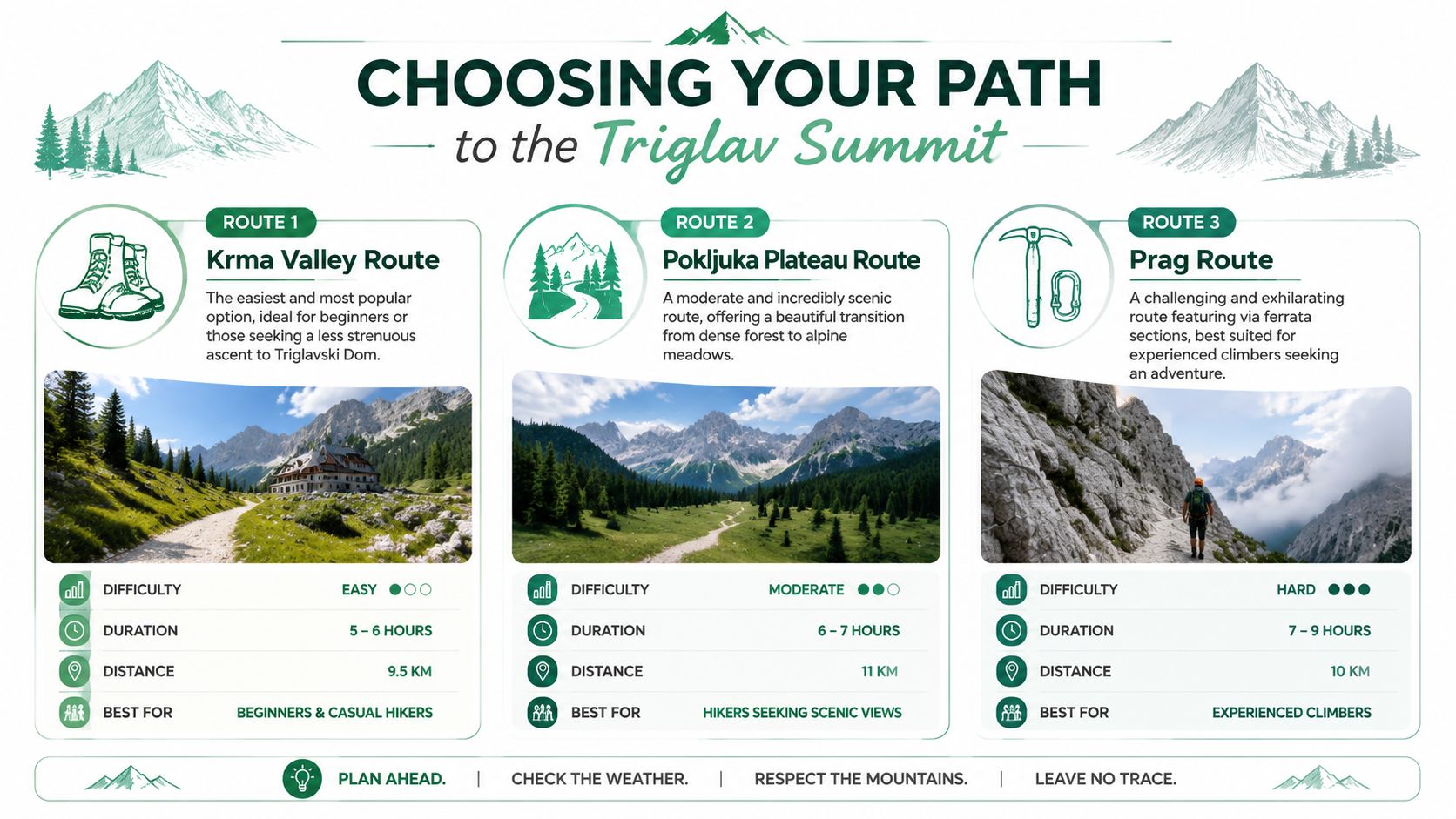
Good for beginners
Pokljuka via Planika is the route we most often recommend for a first ascent. The terrain builds more gradually, which helps nervous hikers settle into the day before the mountain becomes more serious. That progression matters more than many people expect.
It also suits a hut-based plan very well. A night at Planika usually means a calmer summit morning, less rushing, and better decisions. If the idea of starting early in the high mountains appeals to you, our sunrise Triglav experience shows why that quiet part of the climb stays with people for years.
For many beginners, this is the good option because it gives the mountain time to make sense.
Better if you already hike a lot
Krma is often a better fit for hikers who have solid stamina and want a longer, quieter approach. The valley start feels natural and unforced, and the route gives you time to find a rhythm before the upper mountain asks more of you.
There is a trade-off. Krma can feel gentler mentally at the beginning, but it is still a long mountain effort. If your fitness is only average, the final sections and the descent can feel much harder than expected. A first-timer can do well here with a conservative plan, but it is less forgiving than Pokljuka.
Best saved for a later ascent
Vrata via Prag draws people in for obvious reasons. It is direct, dramatic, and iconic. It also asks for much more confidence on exposed terrain and protected sections.
For experienced mountain hikers, that is part of the appeal. For a beginner, it often turns the day into a test too early. If you are still learning how you react to height, steel cable sections, and the pressure of a long descent after the summit, Prag is usually the wrong first introduction to Triglav.
Triglav Route Comparison for First-Time Climbers
| Route (Starting Point) | Best For | Typical Duration | Difficulty |
|---|---|---|---|
| Pokljuka | First-time climbers who want the most recommended option | Usually planned over two days | Moderate for prepared hikers |
| Krma | Hikers who want a scenic valley approach and already have solid stamina | Full-day or two-day mountain plan | Moderate to demanding |
| Vrata via Prag | Experienced mountain hikers comfortable with exposure | Demanding summit day or hut-based ascent | Challenging |
The simplest beginner path looks like this:
- Good: Choose Pokljuka for the most comfortable first experience and the clearest two-day structure.
- Better: Choose Krma if you already hike regularly, recover well, and want a longer alpine approach.
- Best: Book a guided ascent, especially if Triglav is your first serious summit. A guide sets the pace, checks conditions, manages the technical sections, and keeps small mistakes from becoming serious ones.
The smartest first route is the one that still feels manageable on tired legs, in changing weather, and on the way back down.
That is how guides judge Triglav. Not only by the climb up, but by the full mountain day.
Crafting Your Triglav Itinerary
You reach the hut in the afternoon, take off your boots, drink something warm, and look up at the summit you will climb the next morning. For a first-timer, that rhythm usually works far better than trying to force Triglav into one huge day.
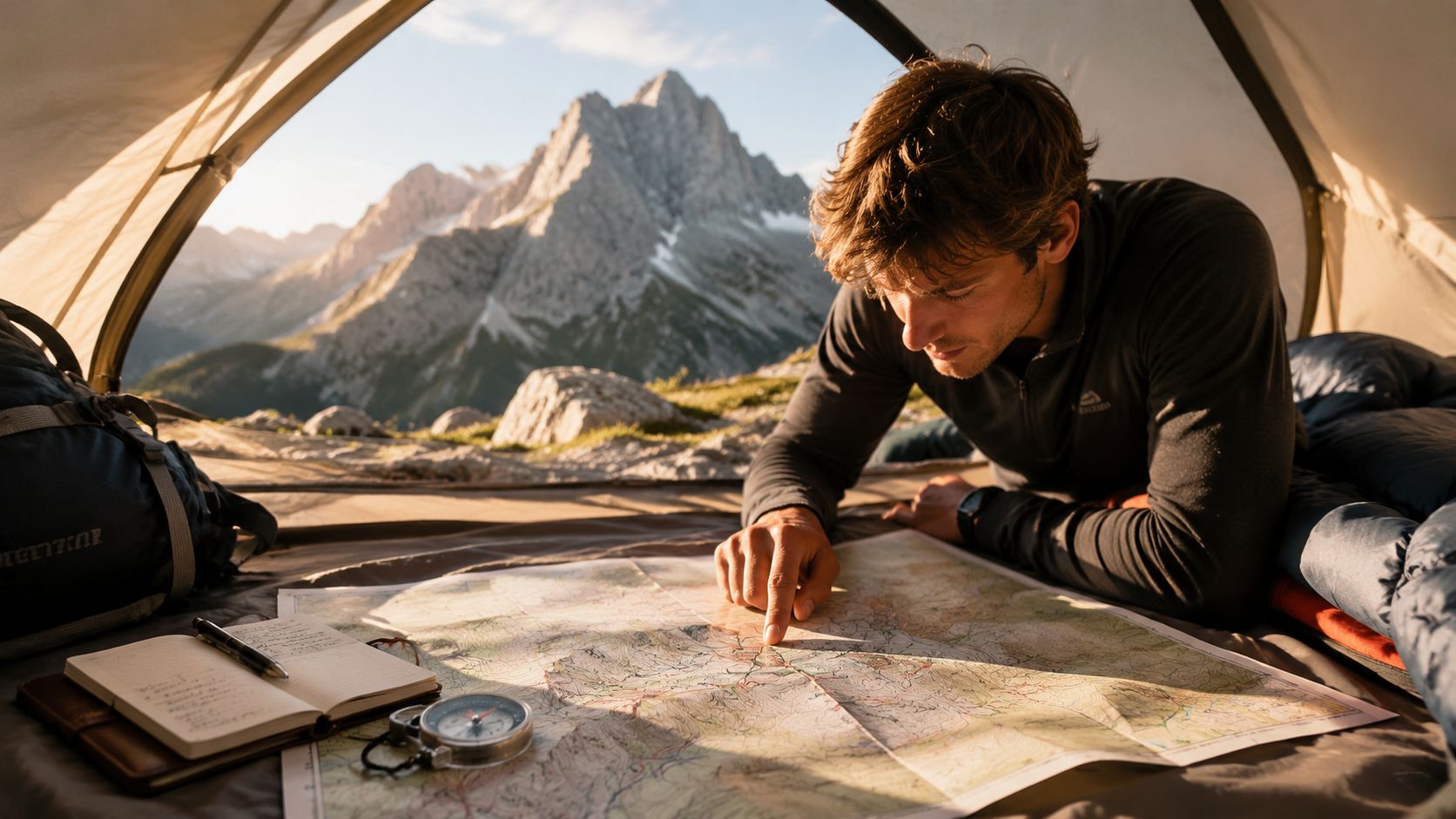
The good option
A one-night hut plan gives beginners something very valuable on Triglav. Margin. You have time to walk at a steady pace, sort your gear, eat properly, sleep, and start summit day with a clearer head.
That matters more than excited hikers expect.
The mountain feels different once you break it into two parts. Day one is the approach. Day two is the summit and descent. That simple structure reduces the pressure to rush, and rushing is behind many bad decisions on Triglav.
The better option
For many first ascents, Pokljuka with an overnight in a mountain hut is the most comfortable structure. It spreads the effort across two days and gives your legs a fairer job on the descent. As noted earlier, this is why Pokljuka is often the friendliest route for beginners.
Season matters just as much as route choice. Triglav is usually a summer to early autumn objective, while lower routes in the national park make more sense outside the high alpine window. If your holiday falls too early or too late in the season, the smart decision is often to choose another hike instead of forcing the summit.
That is not settling for less. It is mountain judgment.
If you want a confidence-building day before committing to Triglav, the Triglav Lakes trail for beginner alpine experience is an excellent step. It lets you test your pace, layers, and comfort in rocky terrain without the added stress of summit cables and a very long descent.
The best option
A guided two-day ascent is the strongest choice for a beginner who wants a safe, enjoyable first Triglav. We see the same pattern every season. Hikers worry about fitness, exposure, timing, weather, and whether they are slowing everyone down. A good guide manages those concerns before they turn into mistakes.
The trade-off is simple. Going alone gives you more independence. Going with a guide gives you better pacing, clearer decisions, local route judgment, and a calmer summit day. For first-timers, that is usually the better bargain.
The hard truth about the one-day push
A one-day Triglav ascent suits very fit, experienced mountain hikers. It asks for strong endurance from the first hour to the last, and the descent catches people who spent too much on the climb up. Explore-Share's Triglav ascent overview makes the same point clearly. This is not the normal beginner itinerary.
Gear planning also changes with the format. On a hut-based climb, you can keep your summit pack lighter and sleep better if you prepare properly. For a practical packing reference before you finalize your plan, EVMT Brands' gear guide is a useful read.
Choose the itinerary that still leaves you steady on the summit ridge and careful on the way down.
That is the true test. On Triglav, the best plan is not the fastest one. It is the one that keeps the whole experience safe, manageable, and worth remembering for the right reasons.
Your Essential Triglav Gear Checklist
Beginners often worry about gear because they don't know what's necessary and what's just nice to have. That's a healthy concern. On Triglav, the right kit doesn't make the climb easy, but it does make it safer, calmer, and far more comfortable.
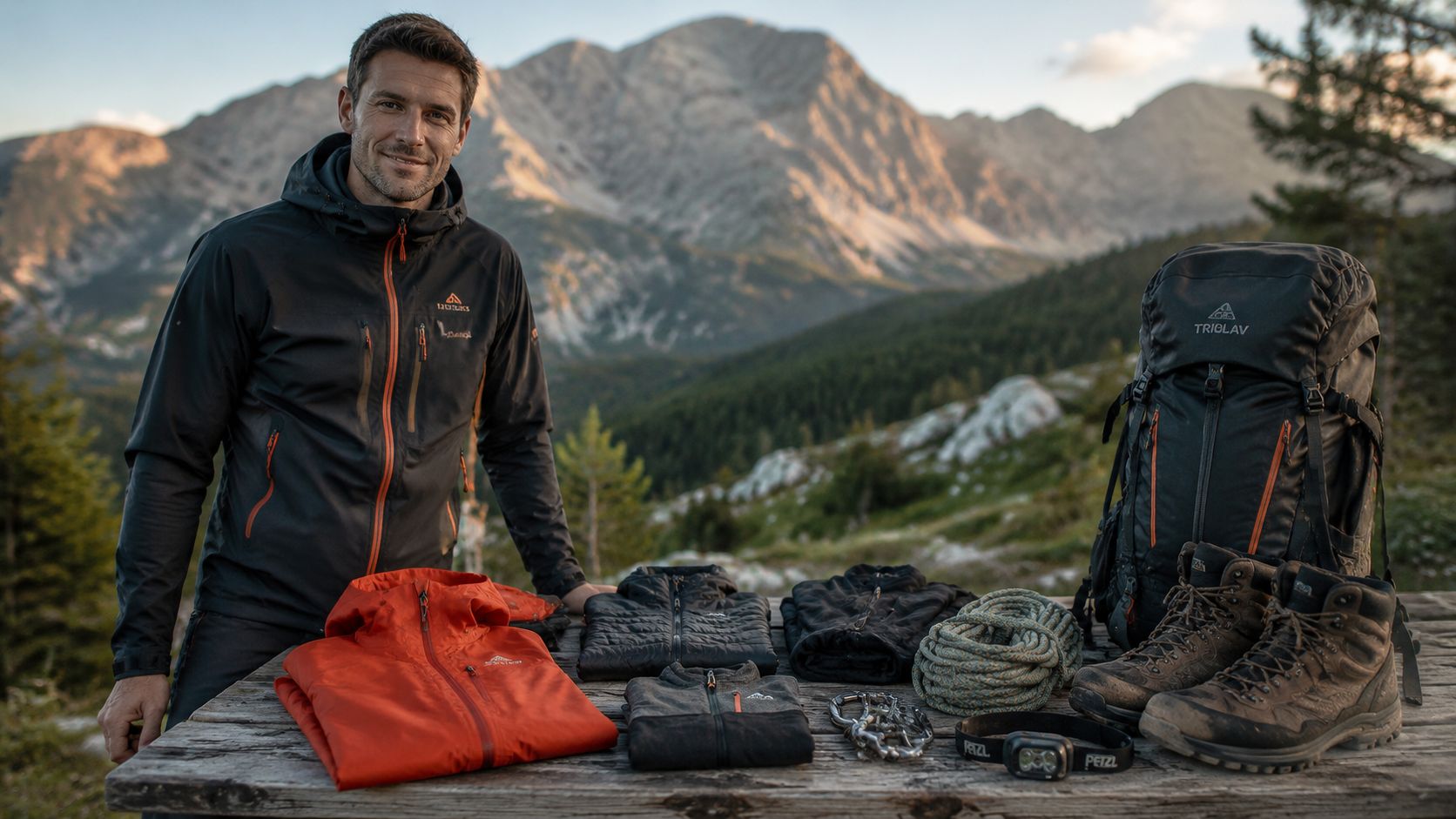
What you cannot compromise on
The basics start with your feet. High-quality hiking boots with strong grip matter because Triglav includes rocky terrain, loose surfaces, and long hours on your feet. Soft trainers usually feel fine at the car park. Later, they feel like a mistake.
A helmet is a fundamental piece of equipment. On the upper mountain and near protected sections, it's there to protect you from rockfall and accidental knocks on steep terrain. If you're climbing with others above or below you, that matters even more.
Trekking poles help more than many first-timers expect. They aren't glamorous, but they reduce strain, improve rhythm on the approach, and help on tired legs during the descent.
What people often forget
Clothing should work as a layering system, not as one heavy answer to every condition. The valley can feel warm. The upper mountain can feel cold, windy, and much more exposed. Pack so you can adapt without drama.
A compact backpack should carry the items you'll use, not half your apartment. Think spare layer, waterproof protection, food, water, simple first aid, sun protection, and gloves. On a mountain like Triglav, small comfort items become important once the day gets long.
For some routes, a self-protection kit may be appropriate. On standard protected terrain, many hikers still feel much calmer when a guide helps them understand what's needed and what isn't. That's one reason beginners often benefit from organised support rather than guessing their way through a gear list.
A useful extra read before any climbing trip is EVMT Brands' gear guide. It's broader than Triglav-specific planning, but it helps beginners understand how helmets, harness-related equipment, and technical items fit into mountain safety.
Here's a practical packing order we like:
- Boots first: If the footwear is wrong, the rest of the day becomes harder.
- Helmet next: Pack it as standard mountain safety gear, not as an optional extra.
- Layers after that: Build for changing temperature, wind, and stops.
- Hands and eyes: Gloves and sunglasses are easy to forget and annoying to miss.
- Food and water: Carry what you know you'll eat on a long climb.
Mountain habit: Lay everything out the evening before. If you only discover missing gear at the trailhead, you're already starting behind.
The best gear choice is rarely the fanciest one. It's the one you know how to use, that fits properly, and that matches the route you've chosen.
Staying Safe on the Mountain
Safety on Triglav is mostly about judgement. The mountain gives clear feedback, but only if you listen early enough. Most problems don't begin as dramatic emergencies. They begin as small decisions made too late.
Weather changes the whole day
In the high mountains, weather isn't background scenery. It controls timing, pace, clothing, and whether continuing is sensible at all. That's why early starts matter so much on Triglav, especially later in the season when afternoon instability can build.
Cloud moving in, wind strengthening, or damp rock on exposed ground can change the feel of the route immediately. A beginner who was calm an hour earlier may suddenly feel tense and slow. That's normal. It's also why summit ambition should never outrank conditions.
Fitness honesty matters more than motivation
Motivation gets you out of bed. It doesn't carry you safely over steep terrain after many hours of climbing. Triglav is kinder to the person who says, “I need a slower plan,” than to the person who insists on proving something.
The biggest beginner mistake is often poor pacing. People start too fast, feel strong for a while, then pay for it later when the terrain gets more serious. The mountain always asks for your best concentration near the top and on the way back down, not at the beginning.
Know when to turn back
This point is worth saying very plainly. The descent is as technically demanding as the climb, and over 60% of minor incidents happen on the return leg due to exhaustion and poor footing on exposed sections, according to this Triglav safety and first-ascent article. That matches what mountain professionals see all the time. People mentally “finish” on the summit, then stop moving with the same care.
A safer day usually looks like this:
- Start early: Give yourself time margin before weather and fatigue begin to stack up.
- Climb at talking pace: If the approach burns too much energy, the upper mountain gets harder than it should.
- Eat and drink before you feel bad: Small breaks beat long collapses by the side of the trail.
- Watch each other: In a pair or group, changes in mood, balance, or focus are often visible before someone admits they're struggling.
- Turn back early, not heroically late: The mountain stays where it is.
If you reach the summit but lose focus on the way down, the day isn't under control anymore.
Beginners sometimes think turning around means failure. In mountain terms, turning around is often the decision that proves you're learning properly.
Climb Triglav with a Professional Guide
You can feel the difference on a first ascent long before the summit. The alarm goes off in the dark, the pack suddenly feels heavier than it did in your room, and every decision seems to matter more once the trail starts rising. For beginners, a guide brings order to that part of the day. You spend less attention on doubt and more on steady walking, drinking enough, and enjoying the mountain.
That support matters most for visitors who do not know Triglav well, are unsure on exposed ground, or do not want to sort out route choice, hut timing, transport, and equipment on their own. We see the same pattern every season. First-timers are usually not short on motivation. They are short on mountain routine.
Why beginners usually enjoy the mountain more with support
A professional guide does more than show the route. The guide sets a pace that the group can hold, checks whether boots and helmets are working as they should, watches how confidence changes with the terrain, and makes small adjustments before they turn into bigger problems. On Triglav, that practical help often makes the difference between a hard day that feels manageable and a hard day that starts slipping out of control.
There is also a mental benefit. Beginners often waste energy asking themselves constant questions. Are we too slow? Is this the right turn? Do I need another layer? How serious is this section? With a guide, those decisions are handled calmly and early, which leaves more headspace for the climb itself.
A simple path from dream to summit
For a beginner, the choices are easier to understand if we keep them honest.
Good means researching carefully, picking one of the less demanding approaches, and accepting that a turn-around is part of the plan if conditions or nerves are not right.
Better means adding an overnight stay, bringing proper equipment, choosing a stable weather window, and treating the climb as a two-day mountain trip rather than a rushed box to tick. As noted earlier, the usual season for first-timers is the warmer part of the year, while shoulder-season conditions often suit lower objectives much better.
Best for many first ascents is going with a guide who handles the key logistics and keeps the day structured from start to finish. Outdoor Slovenia Activities is one option for travellers staying around Lake Bled who want an organised trip with guide support, equipment guidance, and a plan that matches their fitness and confidence.
What beginners value most is usually not speed or bragging rights.
It is the feeling that the day makes sense. You know when you are starting, what you are carrying, where you are sleeping if the route includes a hut, and who is making the call if weather, pace, or footing changes. That calm structure is a real advantage on a mountain like Triglav, especially for people doing their first serious alpine climb.
The mountain still feels wild and memorable. In fact, good organisation usually lets you notice more of it. You see the morning light on the limestone, hear the quiet around the hut, and arrive at the summit with enough focus left to enjoy it properly. That is what we want for first-timers. A strong day, a safe return, and the feeling that Vzpon na Triglav was challenging for the right reasons.